Project update · 1 min read
How interoperable carbon registries can reduce double counting
A study by the European Commission identifies double issuance and double claiming as the primary integrity risks for the Carbon Removals Certification Framework (CRCF).
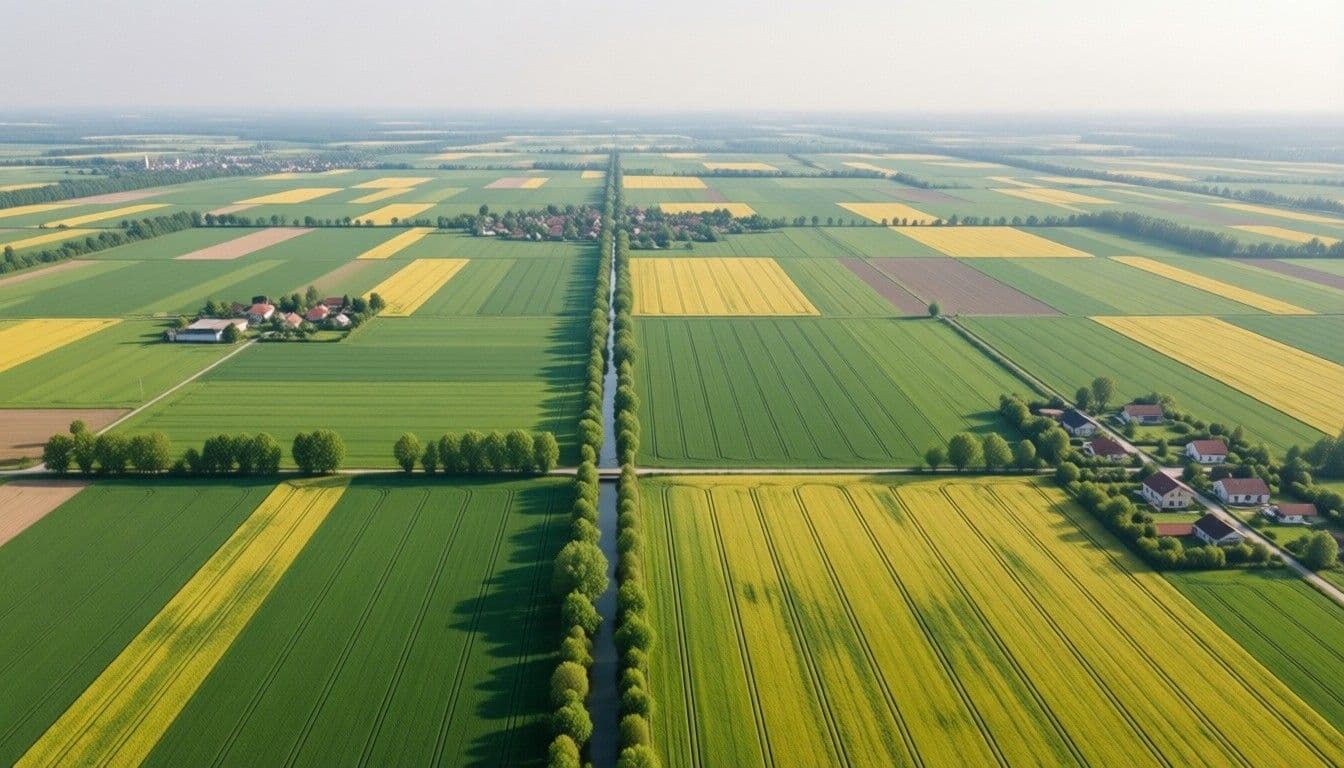
A study prepared for the European Commission and completed in February 2025 examined two risks for carbon certification registries. Double issuance can occur when different schemes issue units for the same activity. Double claiming can occur when multiple parties claim the same retired unit. The study examines how registries could share information to reduce these risks.
The OGCR (Intergenerational Open Geospatial Carbon Registry) is a Horizon Europe Research and Innovation Action designed to develop a globally applicable open geospatial carbon registry servicing the pan-EU area. The project aims to create updateable baseline geospatial layers for soil, biomass, and peat, alongside a hybrid modelling framework to explore management changes in CAP and CRCF initiatives.
The project runs from 1 June 2025 to 31 May 2029 under the EU Mission 'A Soil Deal for Europe'. It is coordinated by the OpenGeoHub Foundation and involves a consortium of 18 beneficiaries from 10 countries. GILAB DOO Beograd is a beneficiary.
More information
Funded by the European Union
OGCR - Horizon Europe, grant agreement No 101218854
Views and opinions expressed are however those of the author(s) only and do not necessarily reflect those of the European Union or the European Research Executive Agency (REA). Neither the European Union nor the granting authority can be held responsible for them.