Project update · 2 min read
GILAB contributes 15 geoinformatics teaching cases to GEOBIZ
GILAB has authored GEOBIZ deliverable D2.2, a set of 24 business problem-based cases for teaching geoinformatics at universities in the Western Balkans and Moldova. Fifteen of the cases were created by GILAB and nine by Gauss.
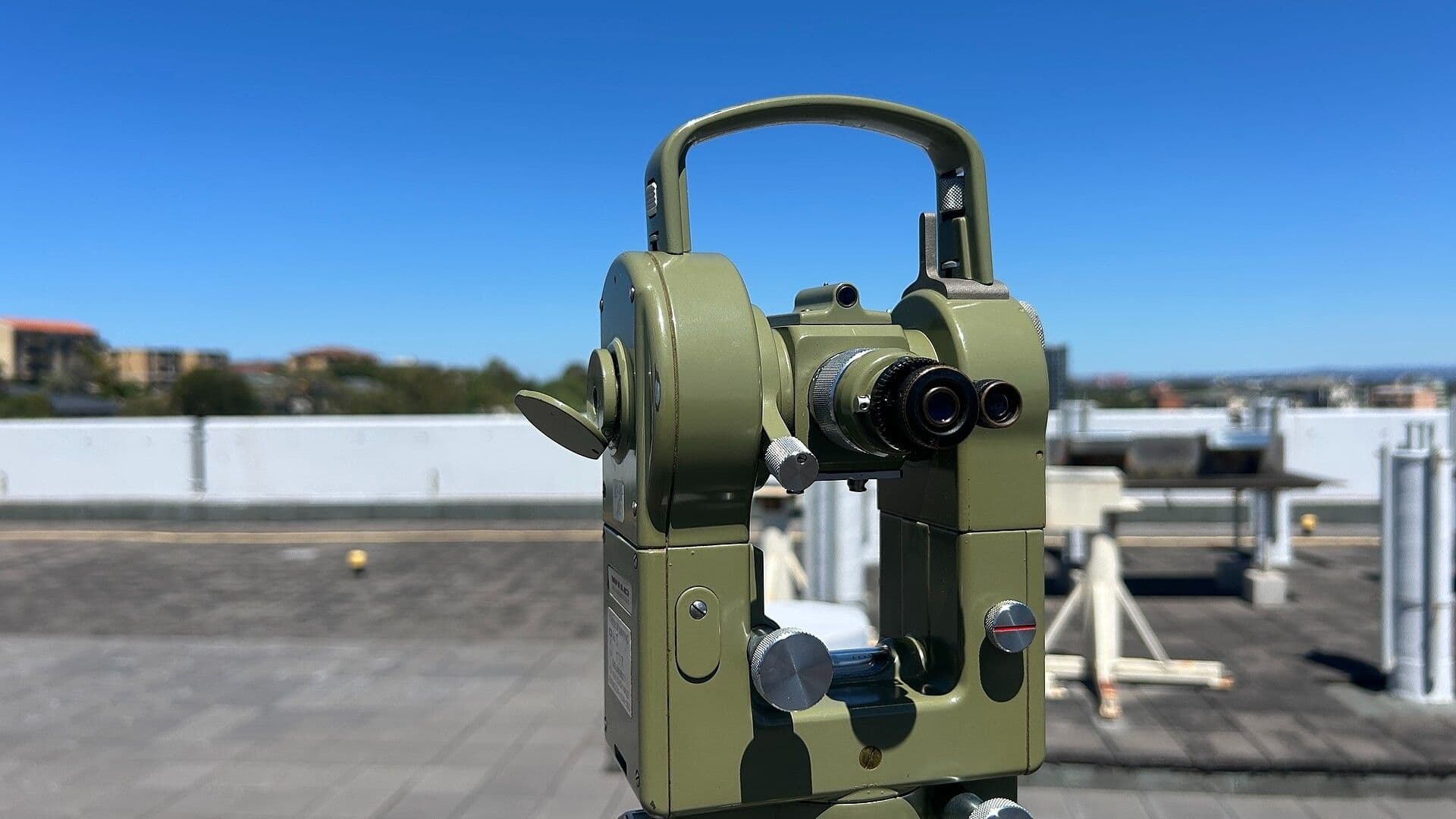
Real problems from practice, adapted for teaching
In GEOBIZ, the business partners - GILAB, Gauss and Land&Co - develop the cases together with academic partners. The cases are chosen to balance business reality with what can be implemented in teaching, with the aim of modernising the practical part of technologically advanced courses.
The method has five steps: a survey of the business sector, analysis of its results, a list of minimal technical requirements, first versions of the cases, and final versions prepared with an academic partner. The cases are meant to be localised, using data from the students' own country wherever possible; legally usable; and upgradable, so that students can add their own measurements, images, data or program modules.
From drones to laser scanning
The cases are grouped into GIS vector and raster analysis, navigation and positioning (GNSS), remote sensing with Copernicus data, advanced GIS applications, web mapping portals and applications, sensor integration and UAV, artificial intelligence, geostatistics and terrestrial laser scanning.
GILAB's fifteen cases range from UAV in urban planning and management and vectorisation of 3D models from point clouds to noise mapping with mobile devices, mapping air quality, modelling house prices with machine learning, crop monitoring with remote sensing, an application for RTK GNSS monitoring of tractors in precision agriculture, and 3D urban models for assessing the solar potential of building roofs.
GEOBIZ, "Business driven problem-based learning for academic excellence in geoinformatics", is an Erasmus+ Capacity Building in Higher Education project coordinated by the University of Zagreb Faculty of Geodesy. It brings together fifteen academic and three business institutions and runs from November 2019 to November 2022.

Co-funded by the Erasmus+ Programme of the European Union
GEOBIZ - Erasmus+, grant agreement No 610225-EPP-1-2019-1-HR-EPPKA2-CBHE-JP
The European Commission's support for the production of this publication does not constitute an endorsement of the contents, which reflect the views only of the authors, and the Commission cannot be held responsible for any use which may be made of the information contained therein.