Project update · 1 min read
How FARMPACT measures carbon outcomes in olive and almond orchards
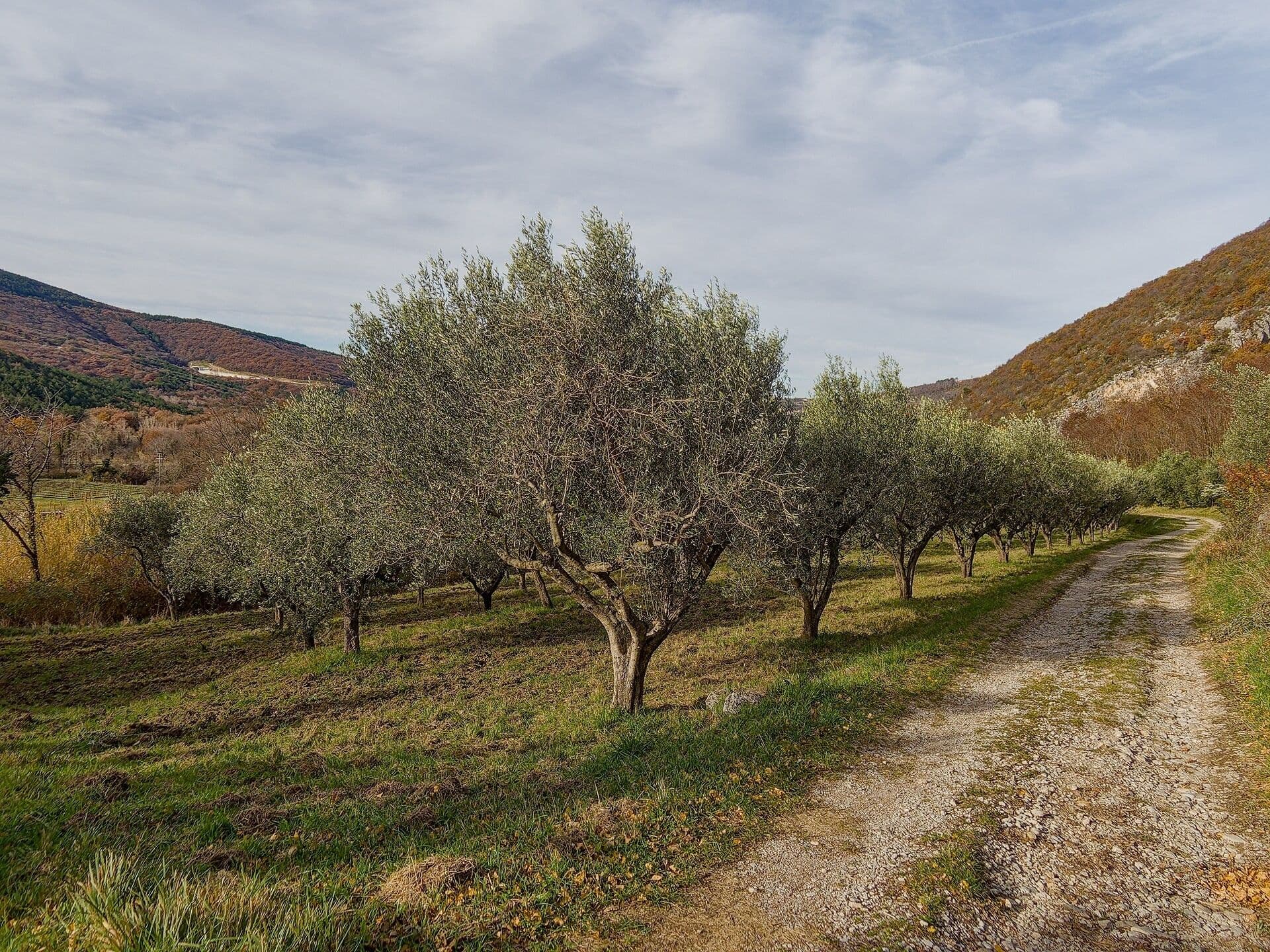
FARMPACT set out to measure changes in greenhouse gas emissions and carbon storage in Mediterranean orchards against local baselines. Its approach combines satellite imagery, geotagged field photos, farm records and soil samples.
Eligibility and three reference points
According to EIT Food's project page, any set of activities that measurably reduces greenhouse gas emissions or increases carbon storage compared with a local baseline is eligible. The baseline rests on three reference points: greenhouse gas emissions from conventional farming, soil organic carbon from nearby fields that are not orchards, and zero woody biomass before the orchard was established.
From data to a serial number
To calculate carbon offsets, FARMPACT collects satellite images, geo-tagged photos, farm records and soil samples, which are processed by automated systems. The EIT Food page names CropLab, CO2AGRI and Find & Collect among them; all three are applications developed by GILAB.
All data are reviewed by third-party experts. Verified offsets receive unique serial numbers and are listed on the upgraded AGRIMP trading platform.
Goals and partners
The project's expected outcomes are a certified methodology for olives and almonds, an automated monitoring, reporting and verification (MRV) platform, a digital marketplace, and the first certified carbon offsets by the end of 2025. EIT Food lists FARMPACT for 2024-2025.
The consortium consists of Agri Marketplace (Portugal), the Association of Balkan Eco Innovations (Serbia), GILAB (Serbia) and the University of Belgrade Faculty of Civil Engineering.
Explore the FARMPACT project · Read the EIT Food project overview